
How to choose the right direct part marking method for industrial coding in 2026
What is direct part marking and why is it important?
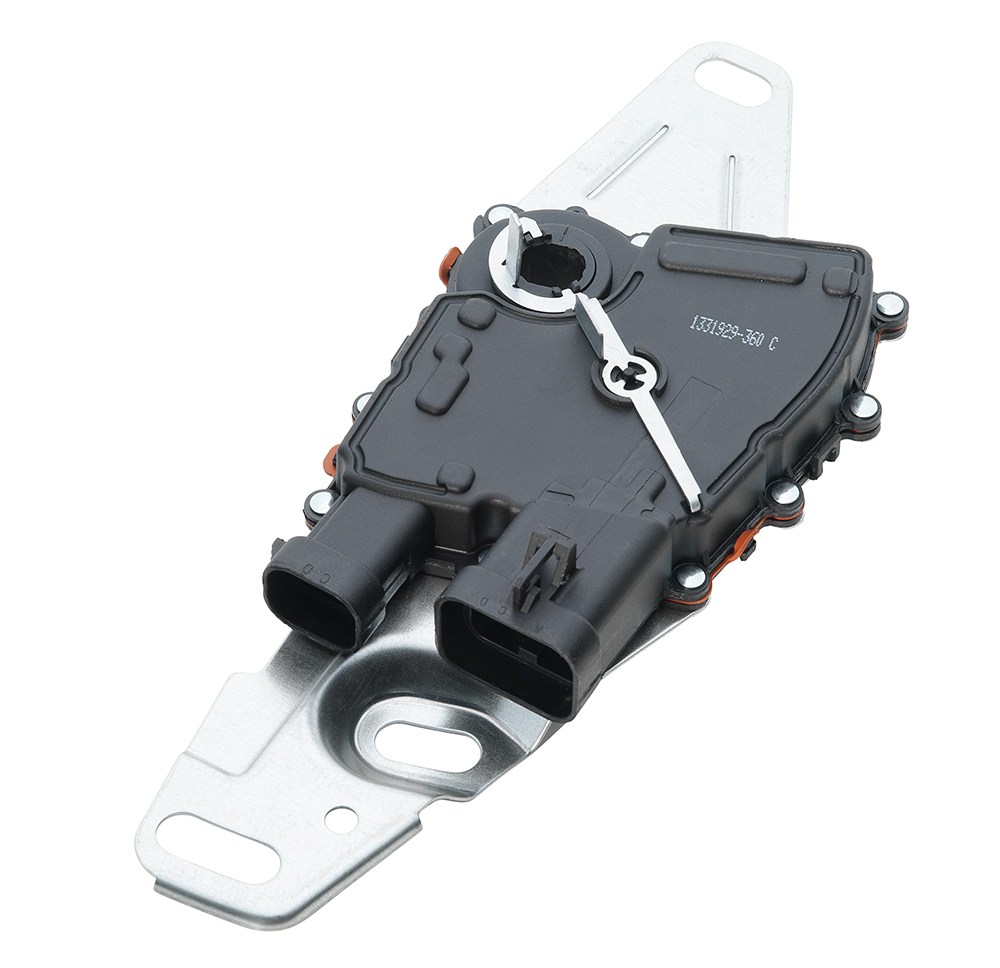
The practice of Direct Part Marking (DPM) is used across the automotive and aerospace industries for machine-readable identification of various parts. This process, also referred to as machine-readable identification, is prevalent in the automotive and aerospace industries for marking alphanumeric and 2D DataMatrix codes on individual parts and assemblies.
For additional information on encoding and code verification, see our whitepaper entitled, Implementation of Direct Part Marking Identification.
What are the new standards for parts coding?
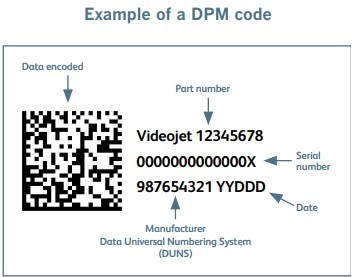
DPM standards have been adopted by a number of manufacturers within the automotive and aerospace industries. These manufacturers use machine-readable codes to track parts throughout the manufacturing process and supply chain. 2D codes are ideal for helping to locate parts for service or recall, and they assist in liability and warranty resolution.
In parts production, the use of machine-readable codes can help reduce the need for manual code entry, increasing code accuracy, and speeding data exchange. Electronically generated codes that include both 1D and 2D bar codes offer simple data storage and usage for internal IT systems. For many years, the 1D bar code has been widely used for data delivery, but this format is being replaced with 2D formats. 2D codes can contain more information in less space and be applied with a variety of direct part marking methods.
What are the different laser marking methods?
| Illustration | Description | Materials | Sample | |
|---|---|---|---|---|
| Ablation | 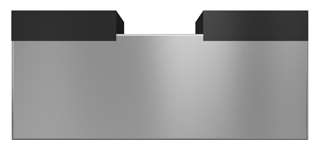 | Removal of the top layer of a substrate, normally painted, by vaporizing the paint. | Cardboard, plastic, glass metal |  |
| Engraving | 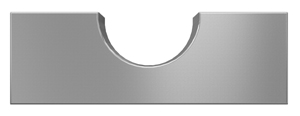 | Deeper material removal that generates a depression in the material. | Plastic, metal | 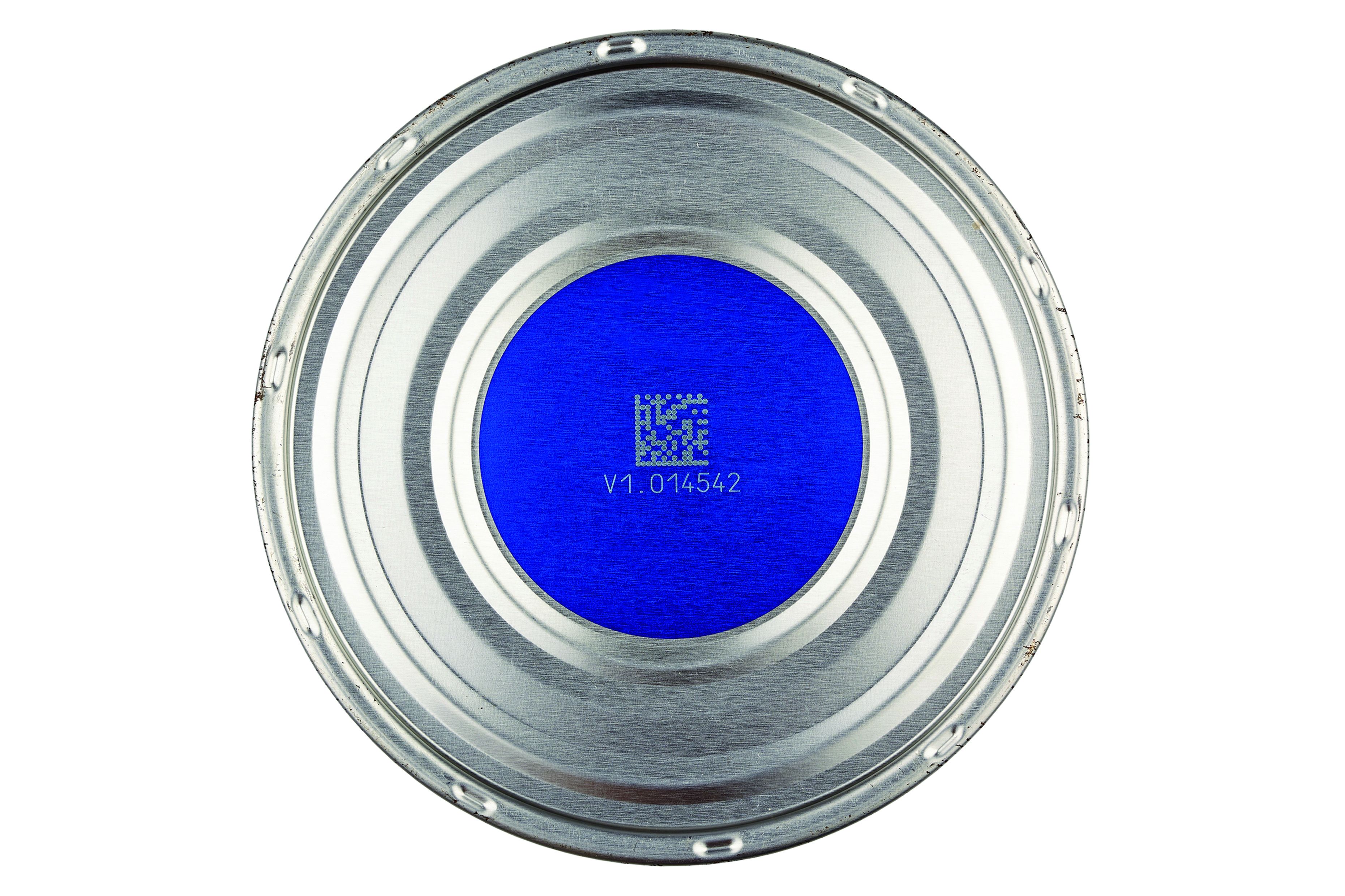 |
| Tempering | 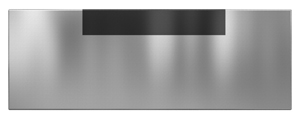 | Substrate reacts to the laser beam of a certain wavelength by changing the structure formation. | Plastic | 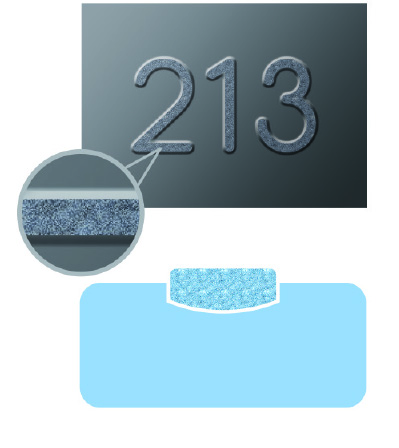 |
| Change in color/bleaching | 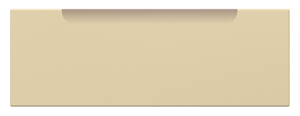 | Change in color where laser touches the surface of the substrate. | PVC, metal, plastic, foil, laser-reactive coatings | 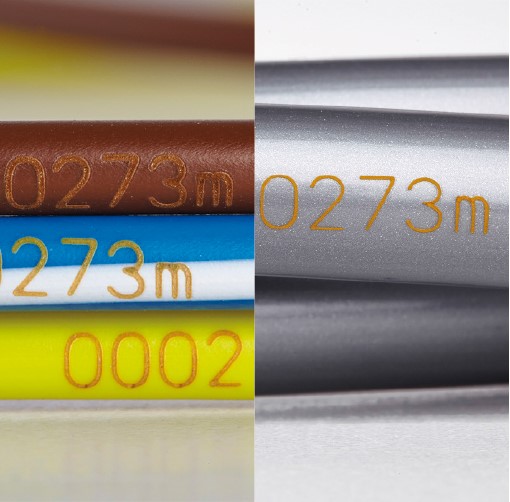 |
| Inner-engraving | 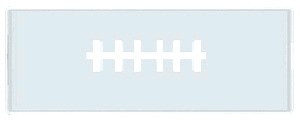 | Internal color removal without affecting the top layer laminate. | Glass, plexiglass | 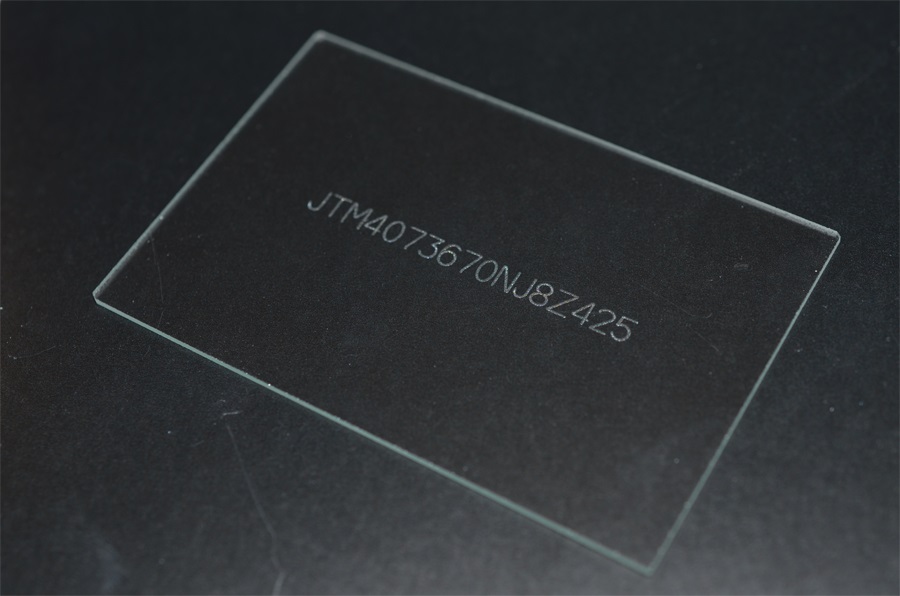 |
| Fracturing | 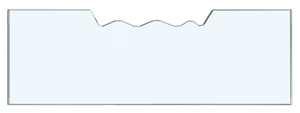 | Material reacts to the laser beam by generating micro breaks on the surface. | Glass | 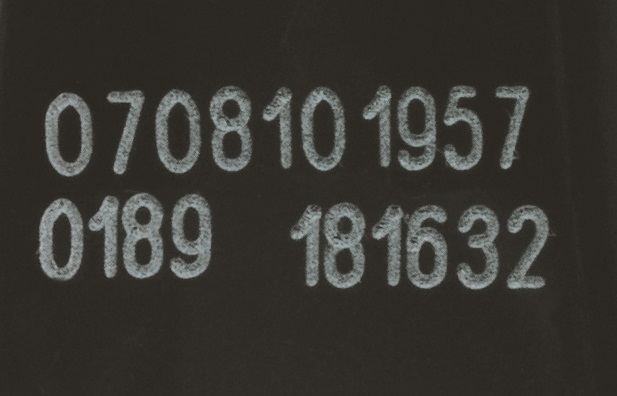 |
Laser mark effects can vary depending on the condition of the part’s surface, the kind type of material, and the laser’s wavelength. One laser part marking method, color change, is the result of a chemical reaction between laser and product.
Other methods include engraving of the surface and ablation or color removal of the surface coating to reveal an alternate color underneath. In addition, wood and board-based materials maybe be marked with carbonization or controlled burning method, while the melting of plastic materials may achieve either a raised or concave effect.
Laser technologies for marking parts include gas lasers, such as CO2, and solid-state lasers including UV and fiber. CO2 lasers are especially suitable for marking synthetic substrates and glass. Solid-state lasers can mark almost any kind of material. Fiber lasers provide extra advantages of a small footprint and long service life.
How do you evaluate laser marking systems?
Laser systems offer a flexible method to mark parts even in manufacturing operations with a high level of automation. Lasers are a great choice for fast speeds and low maintenance. Lasers with large marking fields can mark multiple parts without requiring the reorientation of the laser or tray of components, optimizing power settings, and improving efficiency.
Technologies like Videojet Smart Focus™ enable multi-level surface marking. With it, different sized parts can be marked in the same field with 2.5D technology, while the laser adjusts the focus distance to a predetermined distance during setup to simplify changeovers and eliminate manual focus adjustments.
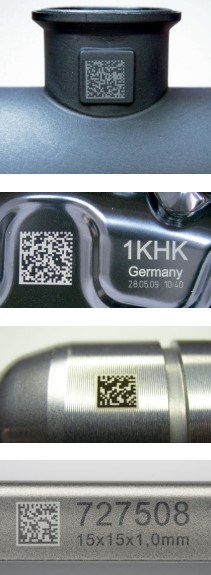
Not all laser marking systems are equal, and expertise can go a long way in helping you specify the correct laser for your line. It is recommended that you work with a coding partner that offers a large selection of laser configurations and technologies. They can help to more easily identify and integrate an optimal solution for your needs, and not over-purchase more lasers than you need for your application.
How does continuous inkjet (CIJ) printing work?
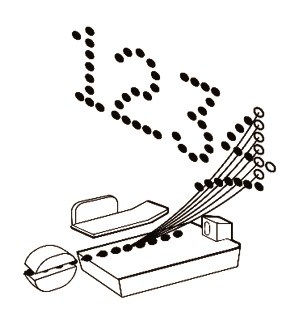
CIJ printing provides non-contact coding on a wide variety of products. With CIJ technology, a stream of ink drops is delivered to the print target via a printhead. The inkjet comes out of the printhead through a nozzle and an ultrasonic signal breaks the inkjet into tiny drops.
These individual ink drops then separate from the stream and receive a charge that determines their vertical flight to form the characters printed on the product. CIJ printers deliver legible printing on nearly any surface, smooth or irregular, and can apply codes on the side, top, bottom or even the inside of a product.
What is continuous inkjet (CIJ) printing best suited for?
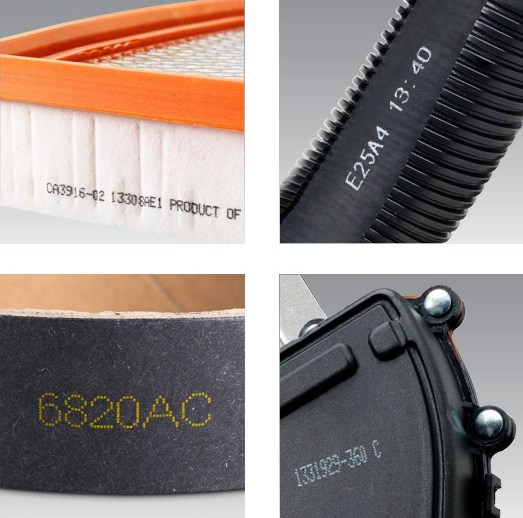
Continuous inkjetis best suited for convex, concave, and irregular parts, as well as very small or hard-to-reach surfaces where a non-contact printing method would work well. CIJ is an ideal technology for printing DataMatrix codes as the distinctly formed drops used to create such codes provide excellent readability. Inkjet printheads can be positioned at a distance from the marking surface and still deliver clear, clean codes.
Initial investment for a CIJ printer is usually lower than a laser, and it can print on a wider variety of materials, depending on the ink selected. Inkjet printers also offer high marking speeds and can be specified with automated features that can help ensure the right code is marked onto the right product.
What are the advantages and disadvantages of CIJ?
Inkjet printing generally offers a low initial investment and can achieve excellent codes on a wide range of substrates. Fast printing speeds can also help to increase throughput.
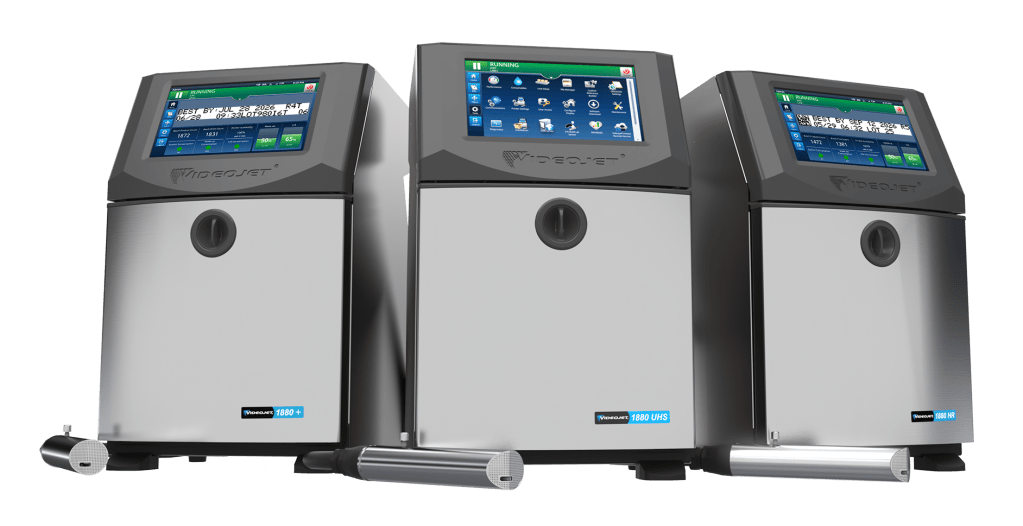
Special CIJ ink formulations meet the application demands for contrast, adhesion, dry times, and resistance to transfer, light, heat, and solvents. Soft pigmented inks, like those used in the Videojet 1580 C printer, can produce codes with high visual contrast on both light and dark colored surfaces, such as rubber parts and windows.
Since CIJ inks are applied to the surface of a material, they are more susceptible to damage and can be more easily worn away by abrasion, unlike markings created with lasers which tend to be more durable. In addition, many inks can be removed with various solvents.
- Advantages: Lower initial cost, fast printing, versatile.
- Disadvantages: Marks are less durable and can be removed by abrasion or solvents.
What is the bottom line for choosing a marking solution?
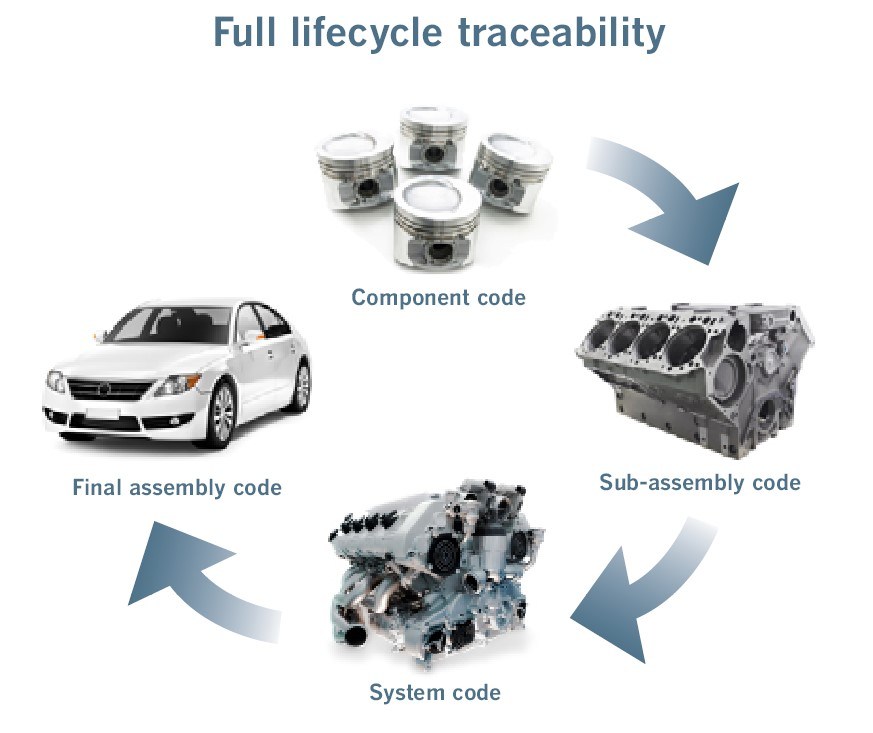
Direct part marking is essential to full cycle traceability throughout the manufacturing process and supply chain. A global leader in coding technology, Videojet, understands lean manufacturing and the complex demands of direct part marking. Each production environment and product substrate is unique and requires special consideration with the selection of a coding technology. With the move to 2D coding, manufacturers are transitioning to laser or CIJ printing.
Unlike some coding providers in the automotive and aerospace industries, Videojet offers a wide range of technologies, including laser and CIJ, and the expertise to help choose the ideal solution. In fact, many top OEMs and part suppliers trust Videojet Products coding specialists and service engineers to help them identify, integrate, and maintain the right coding solutions for their production lines and cells. This expertise, combined with outstanding products, can help you sustain your nearly non-stop production, even in challenging environments.
Contact a Videojet product expert today for a free consultation or sample testing. Let us help you find the perfect coding and marking solution to keep your production line moving.



