
Smaller portions, bigger impact: how GLP-1 drugs like Ozempic® are reshaping food manufacturing

Ozempic®, Wegovy®, and Mounjaro® are changing more than just waistlines; they’re reshaping the food industry. As millions cut their daily calorie intake by 700-1,000, demand for high-calorie products is dropping, while healthier, smaller-portion options are on the rise. This long-term shift is transforming how we eat, shop, and how food companies operate. Let’s explore what’s next.
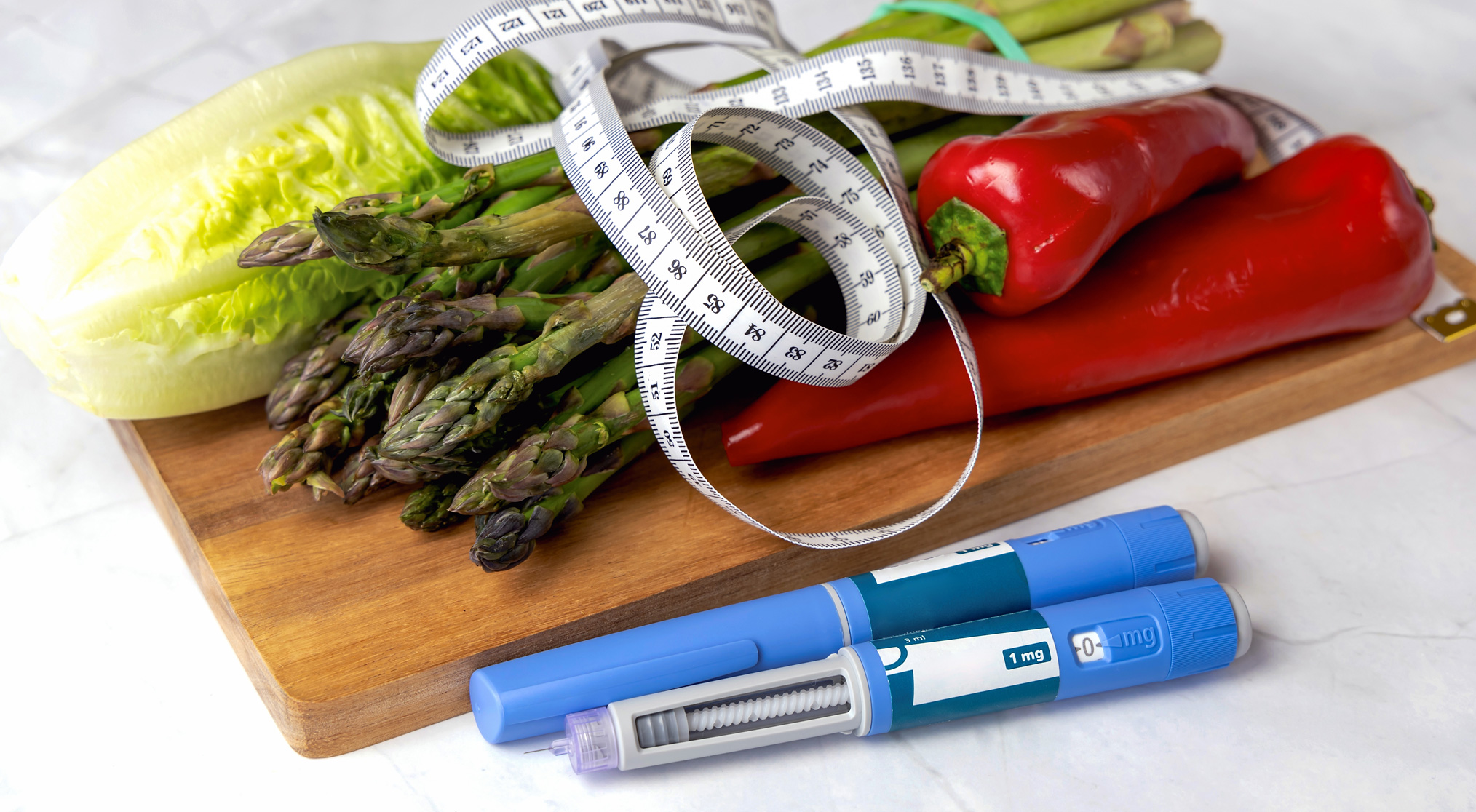
What happens when millions eat fewer calories?
When millions of consumers start eating 1,000 fewer calories per day, the food industry is starting to feel the impact across factory floors, product labels, and supply chains.
Of course, the food industry is no stranger to disruptions, with the plant-based food revolution, sugar taxes, sustainable packaging demands, and more. But the rise of GLP-1 receptor agonists like Ozempic®, Wegovy®, and Mounjaro® may be its most profound transformation yet.
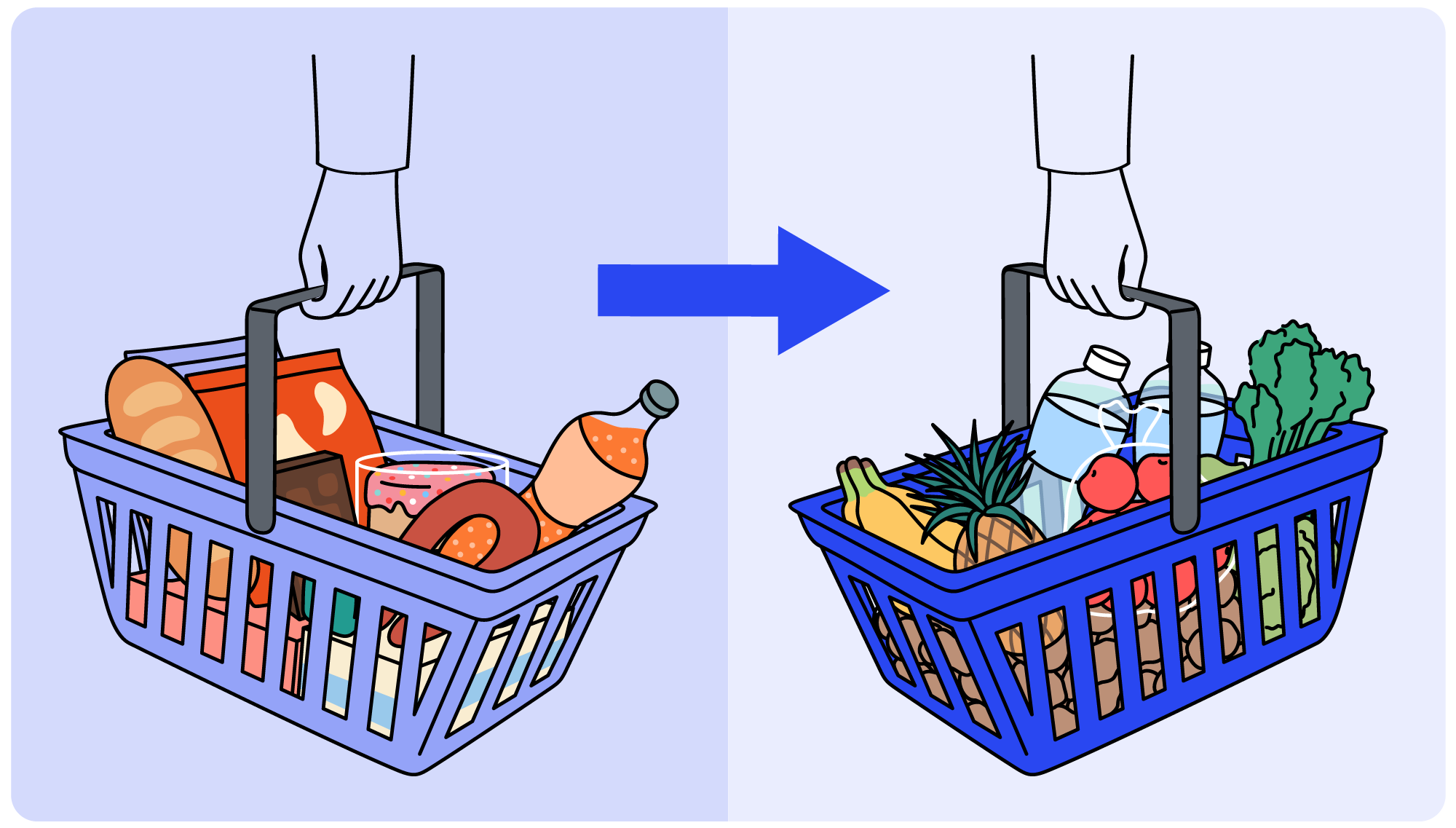
Originally developed for diabetes and obesity management, these medications are now reshaping how people eat, shop, and think about food. For food manufacturers, this isn’t just a health trend, it’s a structural shift with far-reaching implications.
How can manufacturers meet operational complexities?
As product portfolios diversify to meet new dietary expectations, manufacturers face
- increased complexity with more SKUs to cater to niche needs,
- smaller packaging formats requiring high-resolution coding solutions,
- and faster changeovers to maintain agile production lines.
- Additionally, eco-conscious consumers are pushing for more recyclable packaging and the use of sustainable inks, adding to the pressure on manufacturers.
To keep up, manufacturers need modular, high-speed marking and coding systems that enable quick changeovers and support data-rich labeling, such as QR codes and nutrition panels. Recent advancements in laser marking technology like Videojet SmartFocus™ enable quick changeovers and consistent code quality across diverse packaging formats.
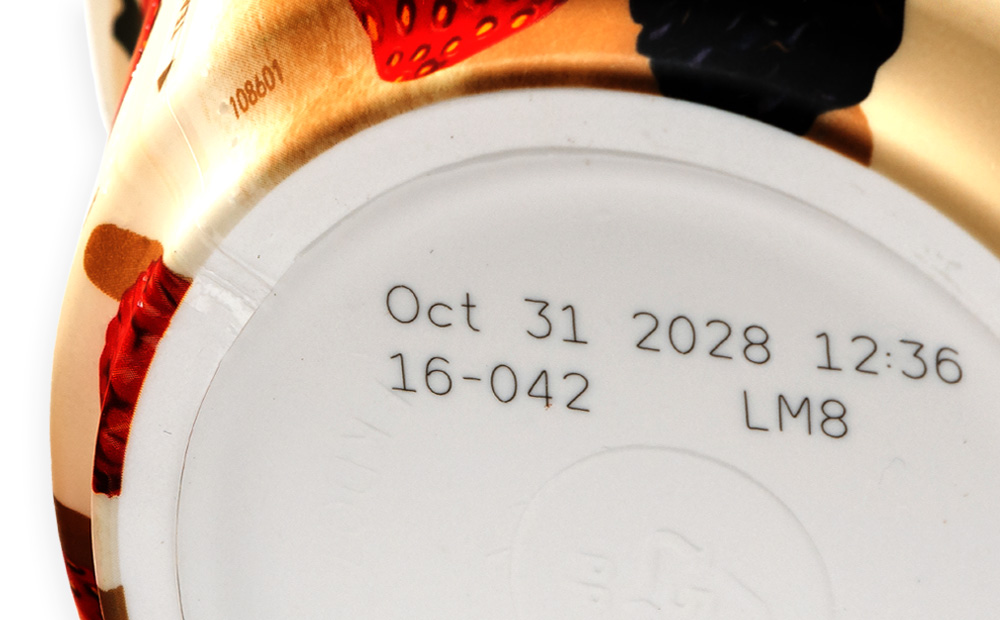
How can brands protect reputation and consumer trust?
Facing counterfeit semaglutide products and rising health scrutiny, food manufacturers are looking to protect their brand image. Consumers demand safety, transparency, accurate labeling, and proof of authenticity, especially as dietary needs diversify.

For food producers, this means:
- A broader, more diverse user base with varying dietary needs.
- Greater pressure to ensure traceability and authenticity in the supply chain.
- Heightened scrutiny around health claims and labeling accuracy.
“Smart packaging technologies like serialized QR codes and digital twins offer a powerful solution. Laser marking enhances this by delivering permanent, tamper-proof 2D codes that resist wear and counterfeiting, reinforcing consumer safety, traceability and brand protection at every stage of the supply chain. In this new landscape, brand protection isn’t just about security, it’s about earning and sustaining consumer trust.”


